
3 Legacy Lessons from IFC
The International Fundraising Congress (IFC), organized by the Resource Alliance, is hands down my favourite conference. It is where fundraising and non-profit leaders from all over the world swap wisdom, stories, and caffeine-fuelled inspiration. Not to mention the themed gala dance party that has everyone bopping to the sounds of TooHotToHandle.
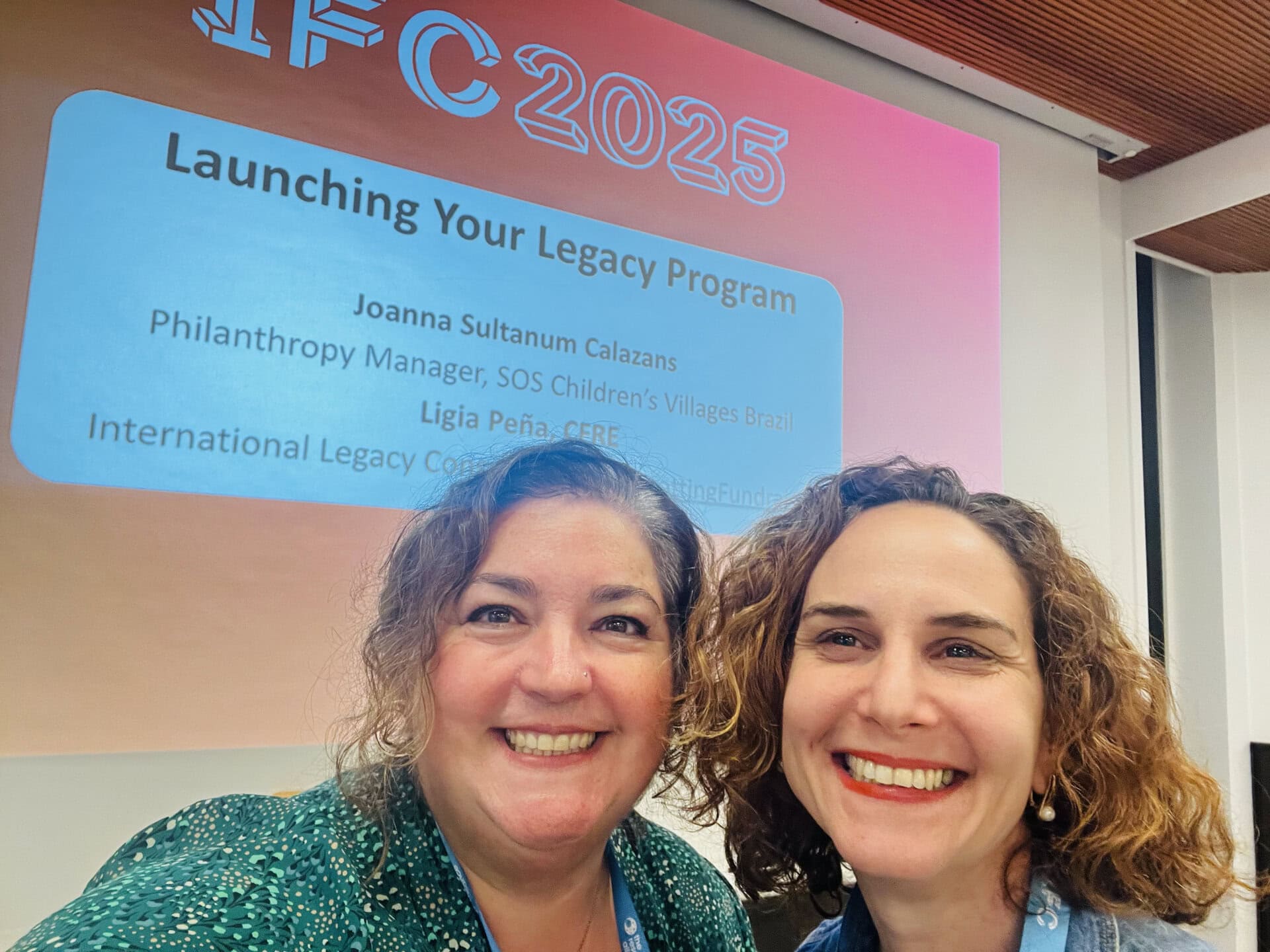
This year, I was excited to co-present a session entitled “Launching Your Legacy Programme” with an up-and-coming legacy smartypants, Joanna Sultanum Calazans at SOS Children’s Villages Brazil. Basically how to launch a program on a shoestring budget AND in a country where legacy giving is completely unknown.
Between colourful post-its, real-life donor stories (shout-out to Ms. Renata and Mr. Fernando!), and hard-earned lessons from Joanna’s work at SOS Children’s Villages Brazil, we shared the good, the bad, and the surprisingly heartwarming.
Here are 3 big lessons from our session, and what they mean for anyone thinking of starting or rebooting a gift in will programme.
1. Internal Buy-In Is Not a Nice-to-Have, It’s Mission-Critical
Let’s be honest: legacy giving isn’t always the shiny new object that gets attention. In her early days, the programme felt like Joanna’s solo side hustle. Other teams were “too busy” or didn’t see how legacies fit into their work. Sound familiar?
What this means:
Without internal alignment, the legacy programme risks becoming an afterthought. A one-person show doesn’t scale and will not survive burnout.
Action Items:
- Communicate early and often: Share your strategy with other teams well in advance. Give them context, not just tasks.
- Block out calendar space: Make sure legacy content gets its spot in the comms calendar. Getting that communications real estate will allow you to sprinkle that legacy dust because if it’s not planned, it won’t happen.
- Train and talk legacy: Demystify myths and offer mini internal trainings so colleagues understand what legacy giving is, how it fits their work, and how they can support the program.
2. Don’t Copy-Paste Campaigns from Other Markets, Cultural Relevance Matters
Joanna demonstrated how at the beginning of the campaign, seeing as she had no budget, she used marketing collateral from other SOS offices who were running an established legacy program. They were beautiful but failed to resonate with the Brazilian audience. Why? Because it didn’t speak to SOS’ donors and to Brazilians in general.
What this means:
You can’t just translate words, you have to translate emotion and culture. Legacy giving is deeply personal. If it doesn’t feel culturally resonant, it flops.
Action Items:
- Know your donor: Do a donor base deep dive. Use surveys, interviews, and feedback to understand what matters to them.
- Test culturally relevant messaging: the SOS legacy campaign shifted from generic to a localised campaign called “Generosity that Transforms”, the results were immediate, donors were interested and enquiring about gifts in wills.
- Use local stories: Showcase individuals and donors from your market. Their accents, lifestyles, and motivations resonate way more than a stock video or materials from another country.
3. Pipelines Don’t Grow Themselves, They Need Nurturing
Building a pipeline is not about waiting for pledgers to show up with a signed will in hand (we wish!). You need to move people from curiosity to commitment … step by step. It requires commitment and strategy.
What this means:
Legacy prospects are at different stages, from “never thought about it” to “I’ve included you in my will”. You need different tactics for each.
Action Items:
- Segment with purpose: Joanna used RFM (Recency, Frequency, Monetary) + age to target donor groups who could potentially be interested in leaving a gift in a will. Then she crafted personalized communications.
- Use multiple channels: Emails, WhatsApp, surveys, and events – the mix helped warm up leads and turn enquirers into intenders. Unlike North America, WhatsApp is the preferred communication app in Brazil (and other countries).
- Create a donor journey: From first email to stewardship thank-you card, map it out. Make it feel intentional, and personal, not accidental.
🌟 Bonus Wisdom: Celebrate the Small Wins
Your first confirmed legacy? That’s not a checkbox. It’s your mic drop moment. Shout it from the rooftops. Celebrate with your team. Let leadership know. Momentum matters.
As we said at IFC: Start wherever you are, JUST START!